
Reading a Vintage Before You Pour It
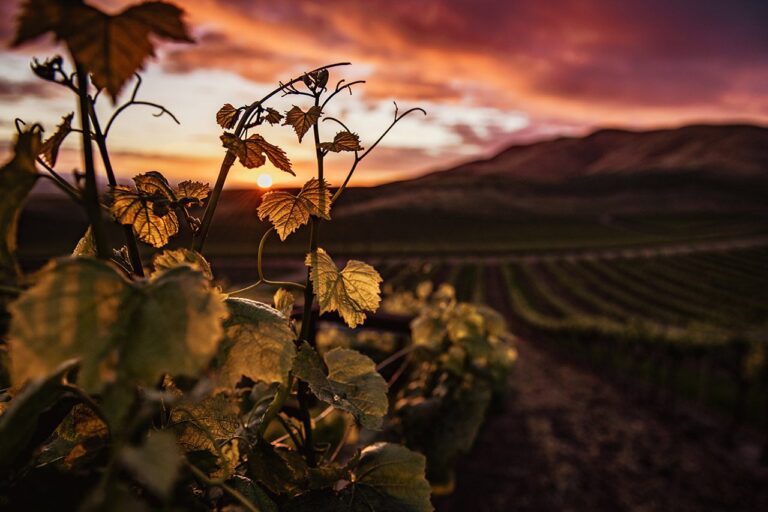
The label tells you the year. The glass tells you what the year was actually like, and the two are not the same story. A vintage is a weather report written in fruit, and once you know what to listen for you can hear a cold spring or a hot February long before anyone hands you a technical sheet.
Start with the acidity
Acidity is the first thing a cool season leaves behind. It shows up as a lift at the sides of the tongue and a finish that stops cleanly rather than fading. A warm year gives you the opposite: rounder fruit, a softer edge, and a finish that lingers because there is less structure holding it back.
Neither is better. A high-acid year makes a wine that will still be interesting in fifteen years. A warm year makes a wine that is generous the week it is bottled. What matters is that the wine is honest about which one it is.
Then the fruit
Cool seasons push red fruit forward: cherry, redcurrant, sometimes a green herbal note if the season was cold enough to slow the ripening. Warm seasons move the same grape towards plum, fig and dried fruit. The variety does not change. The weather moves it along a line.
And finally the weight
Hold the wine in your mouth and pay attention to how much room it takes up. That is mostly alcohol, and alcohol is mostly sunshine. A wine that feels light and quick had a shorter season than one that fills the whole glass.
Three readings, thirty seconds, no technical sheet required. Do it with two vintages of the same wine side by side and the difference stops being an idea and becomes something you can taste.

Cellar master on the estate since 2009. Writes here about picking, pressing and the year in oak, and answers most of the questions asked across the cellar door counter.
More Posts by Marta Oliveira