Shopping Cart
No Items Added Yet.
Bigger pixels gather more light. That single sentence explains most of the difference between footage that grades well and footage that falls apart.
A 4/3 sensor has roughly four times the area of the sensors in most compact aircraft. At the same resolution that means larger pixels, and larger pixels mean cleaner shadows at the ISO settings a dusk flight actually needs.
It also changes how the lens behaves. Depth of field is shallower, so a foreground subject separates from the ground behind it without any work in post, which is what makes an aerial shot read as cinema rather than as a map.
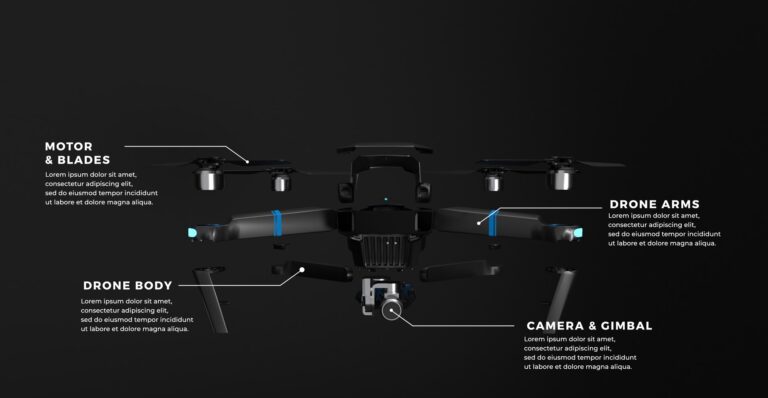
The trade is weight and heat. We carry both with a larger airframe and an active vent, which is why the cinema models are not the smallest in the range and never will be.

Chief pilot at Canvas Drones. Flies the test range most mornings and writes here about wind, batteries, sensors and the checks that keep an airframe in the air.
More Posts by Sena Marchetti